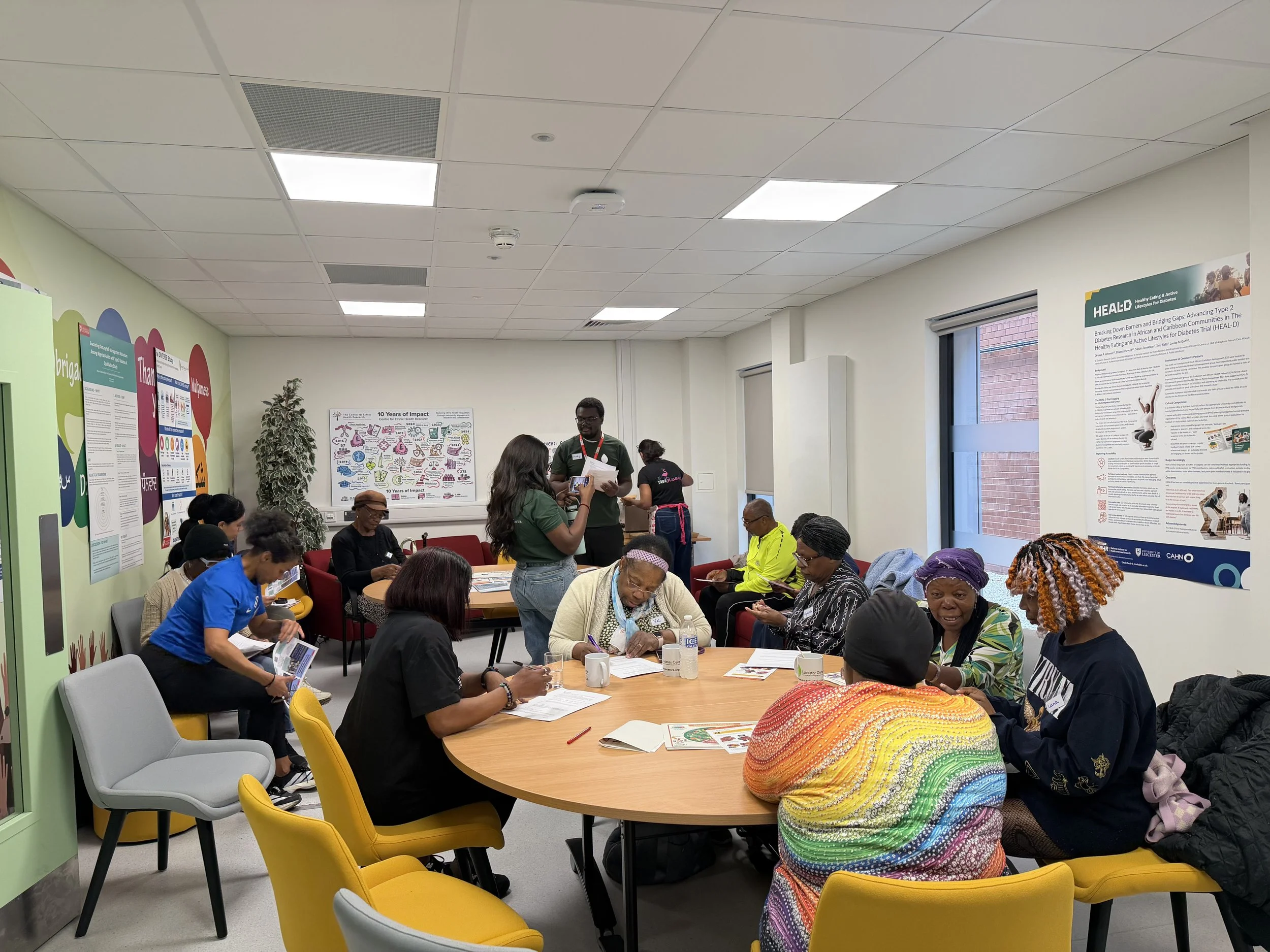
To mark World Diabetes Day 2026, researchers at Leicester Diabetes Centre (LDC) are celebrating the recruitment of more than 2,000 participants to the CODEC study.
The study is investigating whether being a morning or evening person can affect blood sugar (glycaemic) levels in people living with diabetes.
World Diabetes Day is marked on 14 November each year by the International Diabetes Federation (IDF) to raise awareness of diabetes and its impact on individuals, families and communities worldwide.
The CODEC (Chronotype of Patients with Diabetes and Effect on Blood Sugar (Glycaemic) Control) study aims to find out if people who already have diabetes, and are evening types, have higher glucose levels compared to morning types.
Research has shown that people who have later bedtimes (often called ‘night owls’) are more likely to develop diabetes. The CODEC study looks at the chronotypes (natural sleep and wake preferences) in people with type 1 and type 2 diabetes to find out what impact, if any, the chronotype has on their blood sugar levels, among other biological measures.
The CODEC study has been funded by the Leicester Diabetes Centre and NIHR Biomedical Research Centre: Leicester, and sponsored by the University of Leicester.
The study has successfully recruited 2050 people since its launch in 2016. It is currently open until March 2028 and is recruiting adults who:
Are aged between 18 and 75 with established type 1 or type 2 diabetes, diagnosed over six months ago
Have a BMI of below or equal to 45 kg/m²
Do not have a known sleep disorder (excluding obstructive sleep apnoea)
Participation involves a single visit to the Leicester Diabetes Centre, Leicester General Hospital, lasting approximately two hours. This visit involves the completion of a lifestyle-related questionnaire as well as the collection of blood samples and clinical data such as height, weight, waist and blood pressure readings. Physical performance tests take place; these include a hand grip strength test and sitting/standing exercises. Clinical staff will also obtain demographic data and medical history information during this visit.
Participants will receive the results from all these measurements, making the study a good opportunity for those who want to learn more about their health and activity levels.
Principal Investigator and LDC Co-Director, Professor Dame Melanie Davies said: “Reaching over 2,000 participants is a fantastic achievement and marks an important milestone for the CODEC study.
“We are incredibly grateful to everyone who has taken part and contributed to this research. Their involvement is helping us better understand how sleep patterns, daily routines and our body clocks influence health outcomes for people living with diabetes. The insights gained could help inform more personalised approaches to diabetes care and management in the future.
“The study remains open, and we would encourage eligible individuals to consider taking part and help us answer these important research questions.”
If you are interested in taking part in the CODEC study, you can visit the study webpage to find out more and contact the study team by emailing uhl-tr.codecmailbox@nhs.net or calling 0116 258 8070.

Latest LDC News: