Hybrid closed‑loop technology outperforms traditional insulin pump therapy, Leicester analysis shows
A study by Leicester experts in diabetes has confirmed that hybrid closed-loop systems outperform sensor-augmented pumps in type 1 diabetes management.
A new meta-analysis, led by Dr Amardeep Sidki previously of the University of Leicester and conducted at the Leicester Diabetes Centre, has demonstrated that hybrid closed-loop systems (HCLS) significantly improve glycaemic control compared to sensor-augmented pump (SAP) therapy in people living with type 1 diabetes.
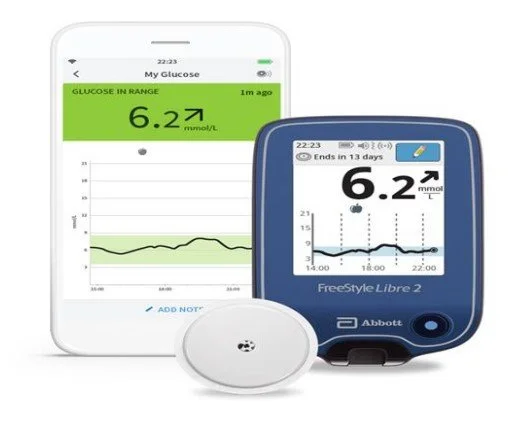
Hybrid closed loop (HCL) systems link continuous glucose monitoring (CGM) devices, which sit on the skin, with insulin pump technology to monitor blood glucose and automatically adjust the amount of insulin given through a pump to people living with type 1 diabetes.
A sensor-augmented pump (SAP) displays glucose levels and issues alerts while the user still makes most insulin decisions. In contrast, a hybrid closed-loop system (HCLS) uses those glucose readings to automatically adjust insulin in the background, with only a little user input.
The implementation of hybrid closed loop (HCL) systems is part of NHS England's five year-year plan to expand access to advanced diabetes management technologies.
The Leicester study, published in Diabetic Medicine in January 2026, analysed data from 27 randomised controlled and crossover trials involving over 1,000 participants.
HCLS was shown to:
Reduce mean glucose levels by 2.0 mg/dL compared to SAP therapy
Decrease glucose variability, including coefficient of variation and standard deviation
Lower glycated haemoglobin (HbA1c), LBGI, and HBGI
Increase time in range (3.9–10.0 mmol/L) by 8.8%
Reduce time spent in hyperglycaemia (>10 mmol/L) by 7.8%
Deliver modest improvements in hypoglycaemia outcomes
“Our findings confirm that hybrid closed-loop systems offer superior glycaemic control and greater stability for people with type 1 diabetes,” said Dr Sidki. “This technology not only reduces glucose variability but also enhances time in range, which is critical for long-term health and quality of life.”
The results highlight HCLS as a preferred modality for optimising glucose regulation, particularly in child populations. By reducing hyperglycaemia and improving overall glycaemic stability, HCLS represents a major advancement in diabetes technology.
But despite strong evidence of clinical benefit, including this study from the Leicester Diabetes Centre, barriers such as cost, maintenance requirements and ongoing user engagement continue to limit widespread adoption.
About the study
The review was prospectively registered with PROSPERO (CRD42023488722) and assessed key metrics including mean glucose, variability, HbA1c, and time in range. The findings underscore the potential of HCLS to transform clinical practice and improve patient outcomes.
About Diabetic Medicine
Diabetic Medicine is the official journal of Diabetes UK, publishing leading research on all aspects of diabetes care and management.
Latest LDC News: