Building expertise in Early Onset Type 2 Diabetes: Insights from the LDC symposium
Type 2 diabetes diagnosed at a younger age is not simply the same condition beginning earlier; it typically progresses faster, carries higher lifetime risk, and presents significant clinical and psychosocial challenges. With global prevalence rising, early‑onset type 2 diabetes (EOT2D) demands tailored education, innovative treatment strategies, and integrated care pathways that go beyond traditional models.
On Wednesday 14 January 2026, Leicester Diabetes Centre (LDC) hosted an EOT2D Symposium, bringing together national leaders and 65 healthcare professionals from across the UK to share evidence, best practice and forward-thinking solutions.
Professor Claire Meek, Professor of Chemical Pathology & Diabetes in Pregnancy, opened the day by highlighting the urgency of addressing this condition in a population with decades of life ahead. Outcomes remain significantly poorer in younger adults compared with those diagnosed later in life. Drawing on her research, Professor Meek explored the complexities of preconception and pregnancy care, as well as the often-overlooked impact of EOT2D in men. Her core message was clear: “delaying really matters”, and increasing the evidence base is essential to inform better interventions.
This was followed by Dr Jonathan Goldney, LHIIP Wellcome Trust Doctoral Training Fellow, who discussed the lived realities of young adults with type 2 diabetes, including treatment challenges, pharmacotherapy considerations and the powerful role of stigma. Presenting findings from LDC’s M3 Study and the T2Day programme, he emphasised the importance of self‑compassion in reducing diabetes distress and depression, noting that individuals with EOT2D tend to present with higher BMI at diagnosis across ethnicities, deprivation levels and sexes. Delegates then applied this learning through real‑world case studies, working in small groups and sharing insight from their own clinical experience.
Clinical Associate Professor Shivani Misra, Imperial College London, delivered an engaging session on non-classical forms of diabetes. Her practical “bucket analogy” and the structured West London pathway provided clear guidance on when to consider and test for alternative forms of diabetes - practical tools that resonated strongly with the audience.
After lunch, Dr Tommy Slater and Dr Louisa Herring explored 24‑hour behaviours and the LDC-developed ‘5S’s’, emphasising how small, achievable behaviour changes can significantly improve cardiometabolic health. A slide titled “Dying for a sit down” illustrated the notable rise in mortality associated with more than 9.5 hours of sedentary time each day, an impactful message that stayed with delegates.
The programme then shifted focus to psychological wellbeing. Dr Michelle Hadjiconstantinou, Lead Chartered Psychologist at LDC, spoke powerfully about the impact of stigma, both societal and within healthcare, on engagement, diabetes self-care and overall quality of life. Her session reinforced the principles of documents such as Language Matters, highlighting the significant role of communication in developing trust and supporting behaviour change. Dr Sarah Gunn, Clinical Psychologist at the University of Leicester, expanded on this by discussing the daily mental burden of EOT2D and reinforcing the need for psychological support as a core component of diabetes care, not an optional extra.
To close the educational content, Clinical Associate Professor Emma Wilmot, University of Nottingham, presented a forward-looking overview of diabetes technology in EOT2D. She highlighted the potential benefits of CGM and hybrid closed-loop systems, calling for more evidence tailored specifically to younger adults. She also encouraged clinicians to reframe conversations by asking patients, “What’s going well for you?”, a simple but effective way to shift focus from negatives to positives within consultations.
In her closing remarks, Laura Willcocks, LDC’s Assistant Director of Integration, Education and Innovation, reflected on the symposium’s aims: to bring together a passionate, skilled group of healthcare professionals, to learn from leading experts, and to build a growing national community focused on improving outcomes for people with EOT2D. Active participation throughout the day and exceptional delegate feedback demonstrated that these aims were met.
Delegate feedback:
“Different speakers who are specialists in their area and they made it relevant to any sector e.g. even if they were secondary care practitioners they made it relevant to primary care too.”
“Dr Shivani Misra is an excellent, engaging speaker. I have learnt so much from her. Thank you”
“Really engaging and knowledgeable speakers with information delivered at the right level for my practice.”
“The delivery was brilliant, the speakers were very good and I learnt a lot from this symposium that I can implement into my clinical practice as I progress in my career. The interactive element of incorporating case studies and real-life examples was also very thought provoking.”
Upskilling the workforce is essential, and LDC’s Eden team remains committed to supporting healthcare professionals in delivering excellent care for people with diabetes.
To explore Eden’s award‑winning courses, visit www.edendiabetes.com.
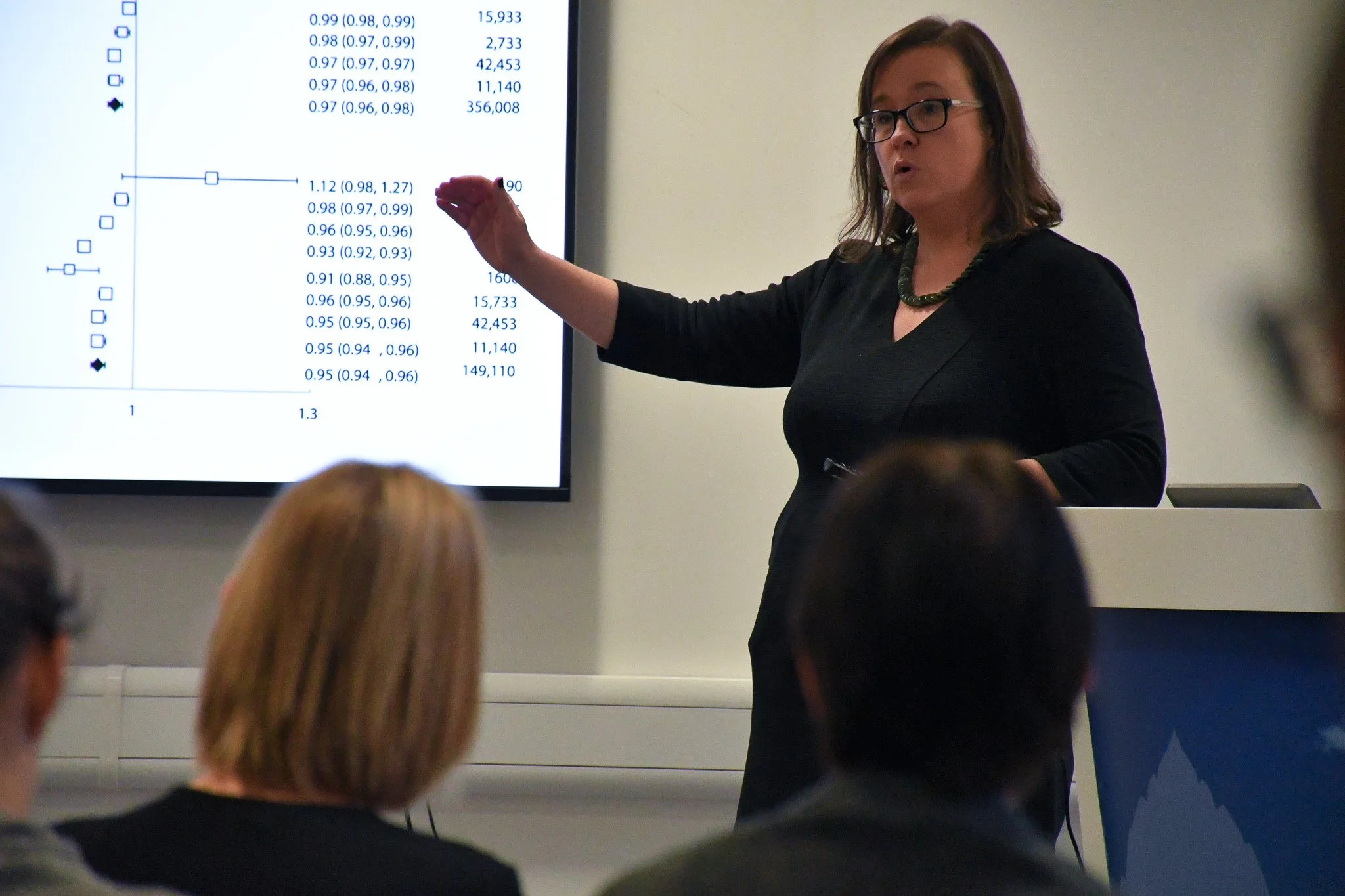
Professor Claire Meek.
Latest LDC News: