Weight-loss drug users turn to social media over doctors for advice
People using weight-loss drugs are more likely to seek advice from social media than healthcare professionals, a study involving Leicester Diabetes Centre (LDC) researchers has found.
Researchers found that users of GLP-1 medications - weight-loss drugs such as Ozempic, Wegovy and Mounjaro that help regulate appetite and blood sugar levels - often rely on social media, online forums, friends and family for information about the drugs. Almost half (48%) of participants said social media was a source of information, while healthcare professionals were consulted less frequently.
The study in BMC Public Health was led by Dr Jason Tallis, Associate Professor in Coventry University's Research Centre for Discoveries in Life Sciences, alongside academics from the University of Leicester, University of Alberta, University of Warwick, York St John University and University Hospitals Coventry and Warwickshire (UHCW).
The survey explored how people in the UK are using weight-loss medications. While satisfaction was high, with 93% of users reporting positive effects on body weight and 83% on appearance, researchers also identified potential challenges.
Nearly two-thirds (62%) of participants reported skipping meals at least two or three times a week and experiencing reduced energy levels that affected physical activity or daily tasks, while more than 46% expressed concerns about the impact of the medications on muscle mass.
Researchers found many users were seeking practical advice about managing side effects such as nausea, fatigue and muscle loss, as well as longer-term concerns around maintaining weight loss and accessing medication in the future. Participants also discussed the psychological impact of treatment, including changes in confidence, body image and eating habits, with many turning to online communities for shared experiences and peer support.
Dr Tallis said: "One of the most striking findings was the extent to which users relied on social media, friends, family and online forums for information, rather than healthcare professionals. Given the complexity of these medications, and the potential for side effects, misuse and weight regain after stopping treatment, this suggests an important gap in evidence-based support."
The study also found that most participants obtained their medication through online pharmacies, with some raising concerns about the robustness of pre-prescription checks. A small proportion also reported taking higher doses or using the medication more frequently than recommended because they felt it was not working effectively.
The findings highlight the need for better education and support to help people use weight-loss medications safely and effectively as demand continues to grow.
Professor of Translational Physiology Leigh Breen at the LDC, who helped design the study and interpret data, said: “These findings highlight both the promise and the challenges of GLP-1 therapies in real-world settings.
“Understanding patients' lived experiences is critical to ensuring these treatments are used safely and effectively, with appropriate support for nutrition, physical activity, and long-term weight management. Credit to our colleagues at Coventry University for leading this timely and important study.”
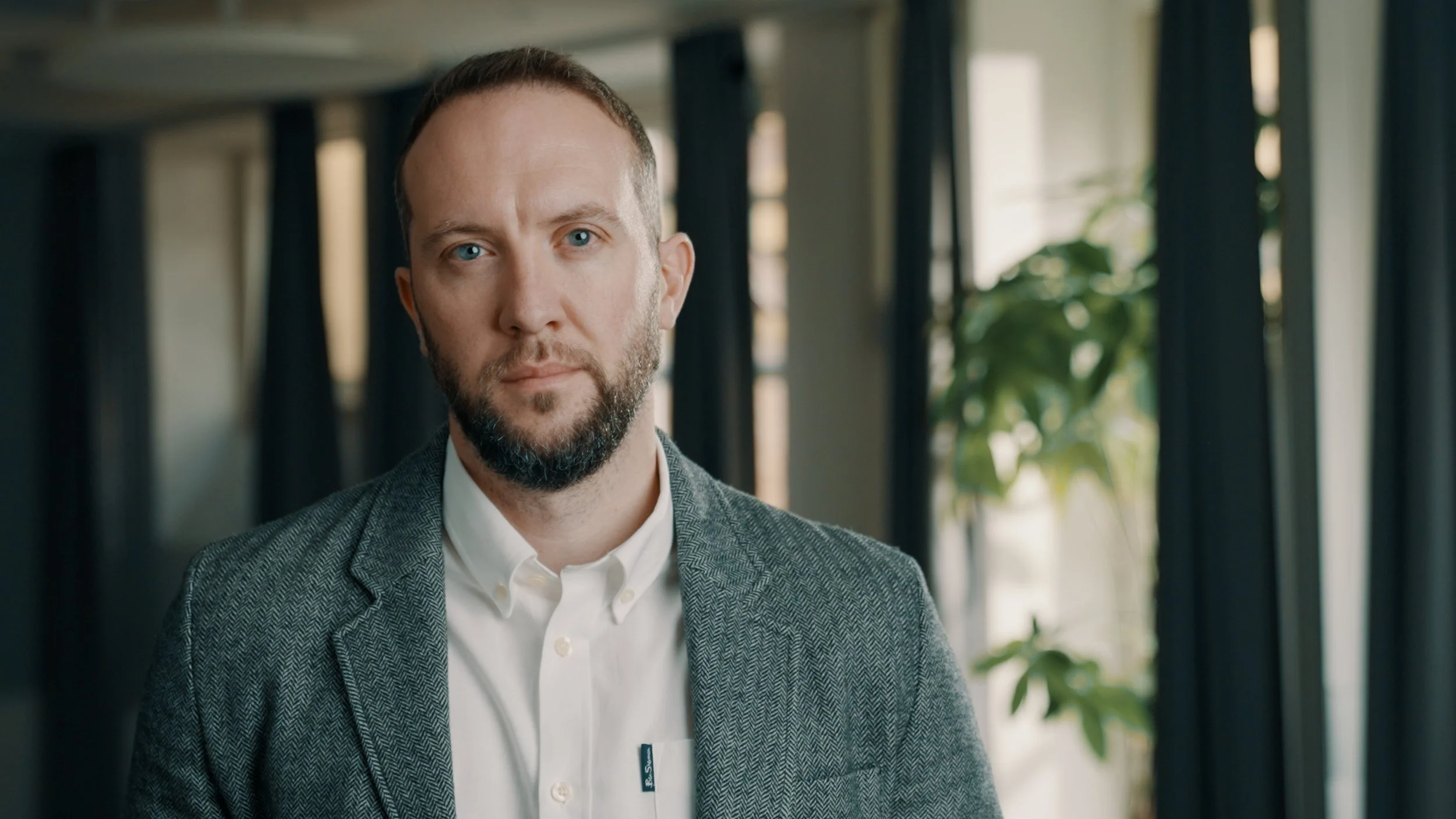
Professor of Translational Physiology, Leigh Breen.
Latest LDC News: