Meet our Behavioural Science Lead at the Leicester Diabetes Centre
We are delighted to shine our spotlight on Dr Michelle Hadjiconstantinou, a Behavioural Scientist and the Lead Chartered Psychologist here at the Leicester Diabetes Centre. Having joined the team in 2011, before LDC had even been created, she has grown with the organisation and contributed to many of the programmes that now have national and international impact.
Today, Michelle leads the Behavioural Science team, is the Academic Lead for IMPACT and DESMOND, and co‑leads the MSc Diabetes Self‑Management module. Her academic and professional journey began in the Republic of Cyprus, where she completed a diploma in Psychology at InterCollege before moving to Scotland. She went on to earn a BSc in Psychology and MSc in Health Psychology from the University of Stirling, later working on several impactful projects at the Cancer Care Research Centre. One of her early career highlights was evaluating the Macmillan cancer support services across Scotland.
Michelle’s path to joining LDC began with an advert for a Research Assistant post within Professor Kamlesh Khunti’s team. She explains, “I had no idea where Leicester was on the map as I hadn’t travelled around England at the time. The position was appealing, and when I arrived for my interview, there was a nice feel to the team. A couple of years later LDC was created. Being part of the opening in 2013 was a very special moment for me.”
Her research focuses on self‑management and the psychosocial aspects of long‑term conditions, particularly type 2 diabetes. She has developed expertise in intervention development, qualitative research methods, process evaluation and intervention fidelity, and has supported projects involving young adults with early‑onset type 2 diabetes, women with polycystic ovary syndrome, and people living with severe mental illness or intellectual disabilities.
Michelle explains, “I have always had a strong interest and passion in behaviour change and improving care and wellbeing in people living with long‑term conditions. Being able to apply this to my research and witness the impact our programmes have on our participants, is truly rewarding.
“For my PhD I developed a digital programme to improve wellbeing in type 2 diabetes. This was later used to shape what we now know as the MyDESMOND programme, a nationally and internationally implemented programme, with over 65,000 registered users. It is moments like these, that make you appreciate how special it is working at LDC, seeing your work make real-world impact.”
The core of Michelle’s work is grounded in human behaviour and applying this knowledge to improve care. Michelle explains, “My work is about understanding how and why we behave the way we do; and about improving the care and wellbeing of those living with long-term conditions. This means, our programmes help equip people with tools and resources to improve their skills, knowledge and confidence living with and managing their condition. This ultimately improves behaviour change, quality of life, and self-management behaviours like, increasing physical activity levels, having a balanced diet, or taking medication.”
What she values most about working at LDC is the real difference the work makes. “What I enjoy most about working at LDC,” Michelle adds, “is seeing the real impact our work has on people’s lives. The opportunities that come with the role are so diverse, making each day feel different and exciting.
“I have worked alongside LDC colleagues for 15 years, and it’s been fulfilling to share this journey with them and see how far we’ve come.”
Looking ahead, Michelle hopes to continue raising the profile of behavioural science in healthcare. She explains, “My goal for the future is to continue bringing behavioural science to the forefront of health care and research and lead the next generation of behavioural scientists.”
Outside of work, Michelle is always seeking her next adventure, having swum across the English Channel and completed multiple cycling trips across Europe.
Michelle adds, “Any suggestions for the next big challenge are most welcomed!”
When she’s not tackling a major feat of endurance, she enjoys running and cycling, “always followed by coffee and cake.”
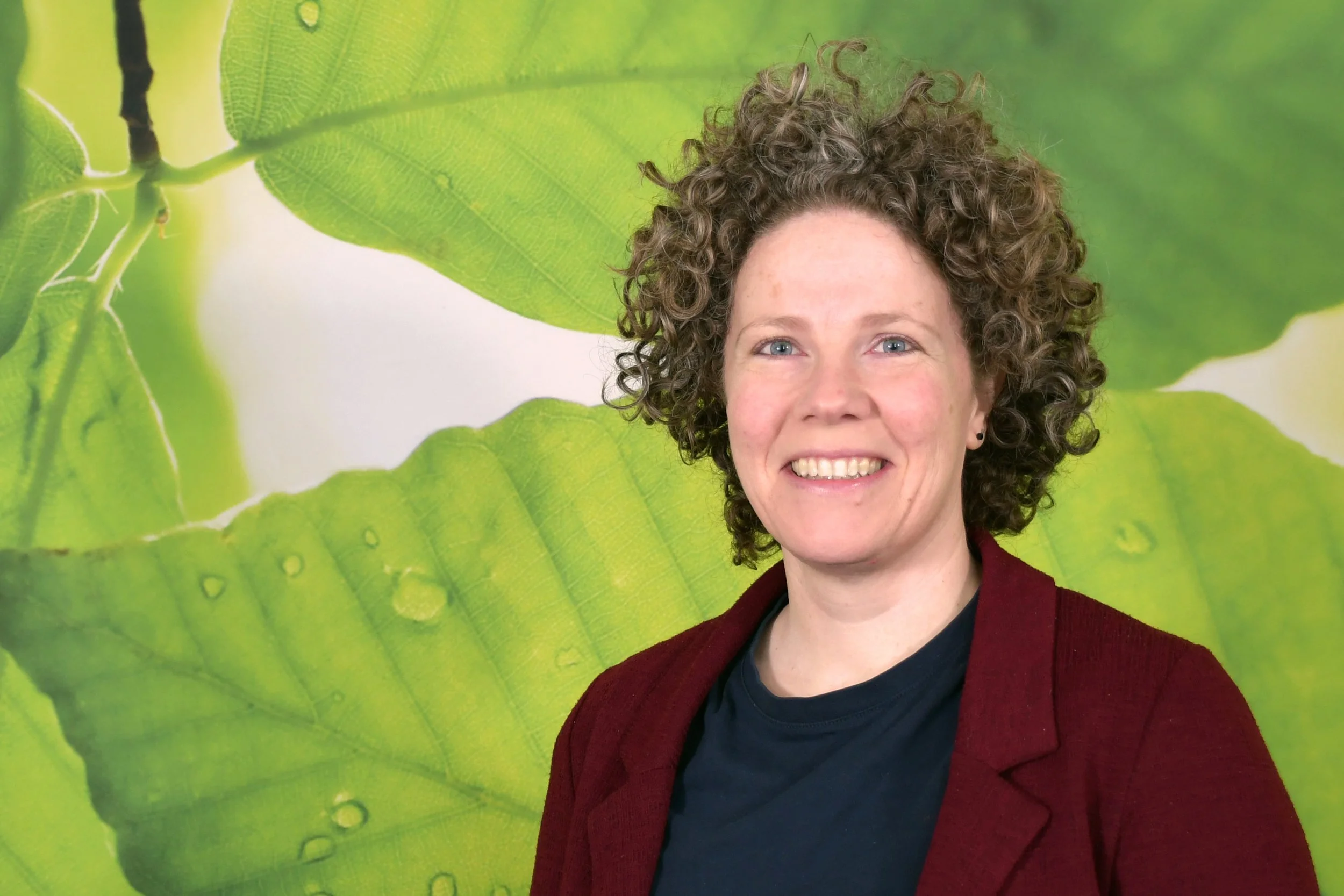
Dr Michelle Hadjiconstantinou.
Latest LDC News: