Eye on Diabetes
Written by Dr Hinal Kumar.
Diabetes can affect many parts of the body, including the eyes. Over time, high blood glucose levels can damage the small blood vessels in the retina, leading to conditions such as diabetic retinopathy.
Most diabetes-related eye problems can be prevented or managed effectively with regular checks and the right care.
At the Leicester Diabetes Centre, eye health is an important part of helping people live well with diabetes.
Why eye screening matters
Diabetic eye disease often develops without noticeable symptoms in the early stages. Many people do not experience changes in their vision until the condition has progressed.
Regular diabetic eye screening helps to:
Detect problems early, before vision is affected
Monitor changes over time
Enable timely treatment if needed
The NHS invites people aged 12 and over with diabetes for regular screening
What is diabetic eye disease?
Diabetic retinopathy occurs when high blood glucose levels damage the small blood vessels in the retina.
In early stages, there may be no symptoms. As the condition progresses, symptoms can include:
Blurred or reduced vision
Floaters (spots or lines in vision)
Difficulty seeing in low light
Early detection is key to preventing sight loss.
Diabetes treatments and your eyes
Newer treatments for diabetes and obesity, such as Semaglutide and Tirzepatide, are helping many people improve blood glucose control and overall health.
These treatments are generally safe and effective. However, if blood glucose levels improve quickly, there can occasionally be temporary changes in the retina—particularly in people who already have diabetic eye disease.
Regular eye checks remain an important part of care when starting or changing treatments.
The wider importance of eye checks
Eye screening does more than protect your vision. A recent study led by the NIHR Leicester Biomedical Research Centre, in collaboration with professors from the Leicester Diabetes Centre, including Professor Melanie Davies, Professor Kamlesh Khunti, and Professor Thomas Yates, found that even mild changes in the retina from type 2 diabetes may reflect early, hidden cardiovascular disease.
By analysing retinal images alongside detailed heart scans in adults with diabetes but no heart symptoms, the researchers showed that retinal changes were linked with early signs of atherosclerosis and subtle heart dysfunction. This suggests that routine diabetic eye screening could potentially help identify people at higher risk of cardiovascular disease before symptoms appear, supporting earlier intervention and better overall care.
The NIHR Leicester BRC is part of the National Institute for Health and Care Research and is hosted by the University Hospitals of Leicester NHS Trust in partnership with the University of Leicester, Loughborough University, and University Hospitals of Northamptonshire NHS Group.
What to expect at your eye screening
Diabetic eye screening is simple and usually takes around 30 minutes.
You may have:
Vision checks (reading letters)
Eye drops to widen your pupils
Photographs of the back of your eyes (OCT)
These tests help identify early changes and guide your care if needed.
Looking after your eye health
You can reduce your risk of eye problems by:
Attending your diabetic eye screening appointments
Keeping blood glucose within your target range
Managing blood pressure and cholesterol
Reporting any changes in vision promptly
How we support you
Looking after your eyes is part of your overall diabetes care. Your care may involve a range of healthcare professionals, including:
Diabetes specialists
Ophthalmologists
Optometrists
GPs
Key messages
Diabetic eye disease can develop without symptoms
Regular screening is essential to protect your sight
Eye checks can provide insights into your wider health
Most sight loss from diabetes is preventable
References
1. NHS. Diabetic retinopathy. Available at: https://www.nhs.uk/conditions/diabetic-retinopathy/
2. NHS. Diabetic eye screening. Available at: https://www.nhs.uk/tests-and-treatments/diabetic-eye-screening/
3. UK Government. Diabetic eye screening programme overview. Available at: https://www.gov.uk/guidance/diabetic-eye-screening-programme-overview
4. Alatrany AS, Lakhani K, Cowley AC, et al. The retina as a window into detecting subclinical cardiovascular disease in type 2 diabetes. Scientific Reports (2025).
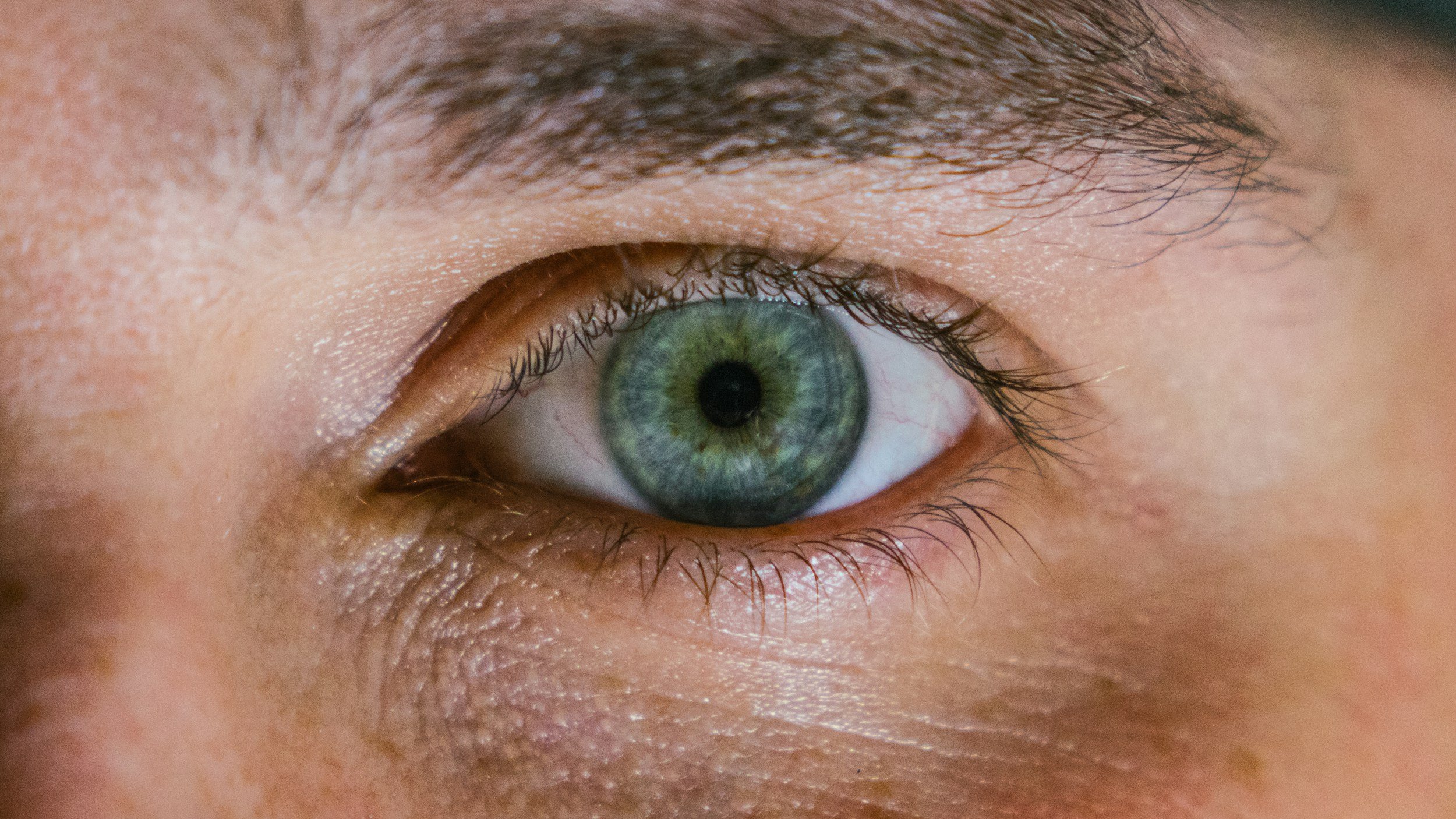
Image for illustrative purposes.
Latest LDC News: