

News
Featured









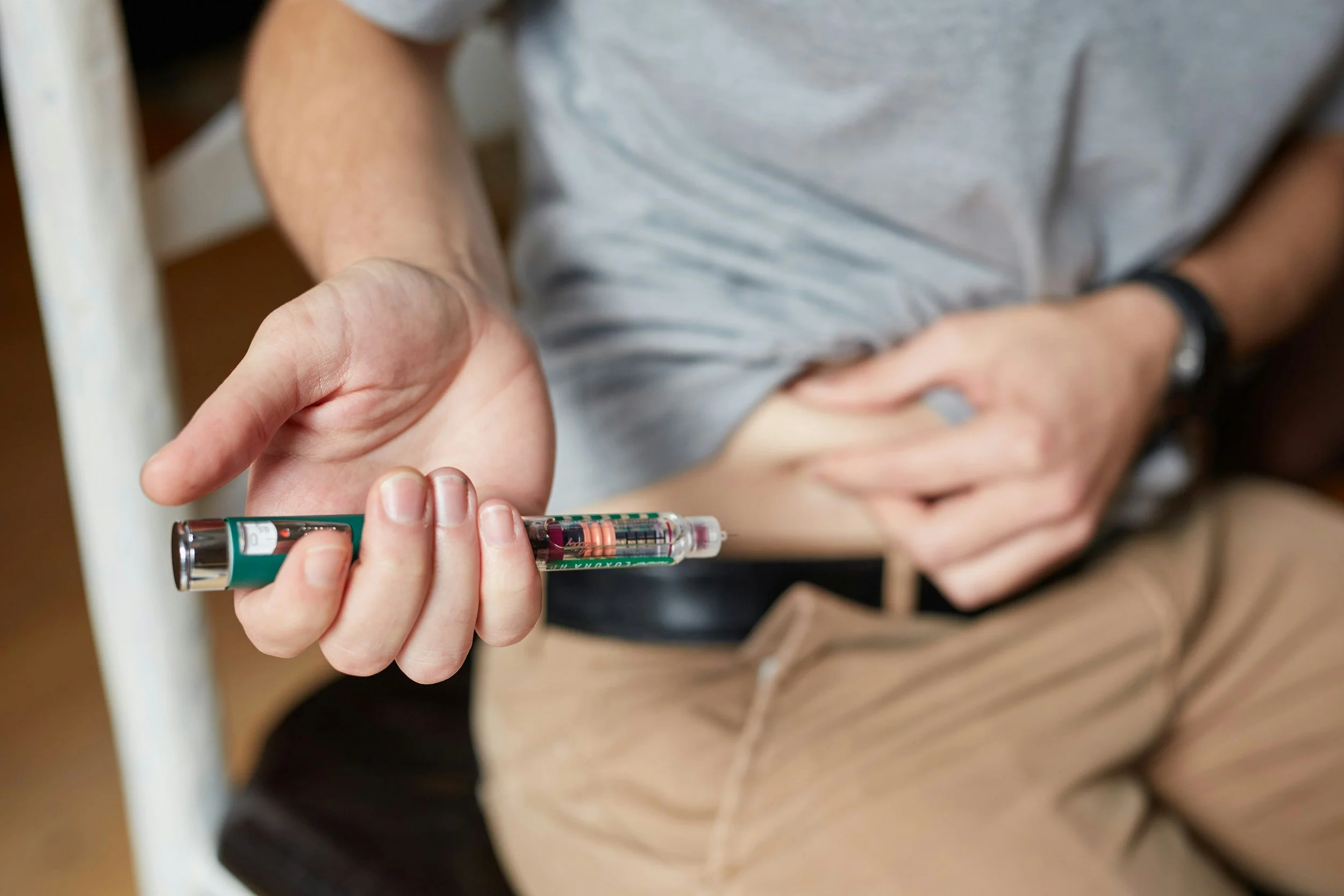








People using weight-loss drugs are more likely to seek advice from social media than healthcare professionals, a study involving Leicester Diabetes Centre (LDC) researchers has found.
Hanna Boëthius shares her experience of studying the part-time, distance-learning Diabetes MSc at Leicester Diabetes Centre and how it has benefited her professional development.
Researchers are looking for 450 people willing to ditch meat in 2026 as they explore how vegetarian and vegan diets can affect our long‑term health.
University Hospitals of Leicester NHS Trust (UHL) has been awarded the contract to take over delivery of the NHS England Healthy Living service, securing a national offer of digital structured education and self-management support for people over 18 years of age, living with diabetes across England.
A new paper published in Diabetic Medicine highlights how a targeted, multidisciplinary approach can make a real difference for adults living with early-onset type 2 diabetes.
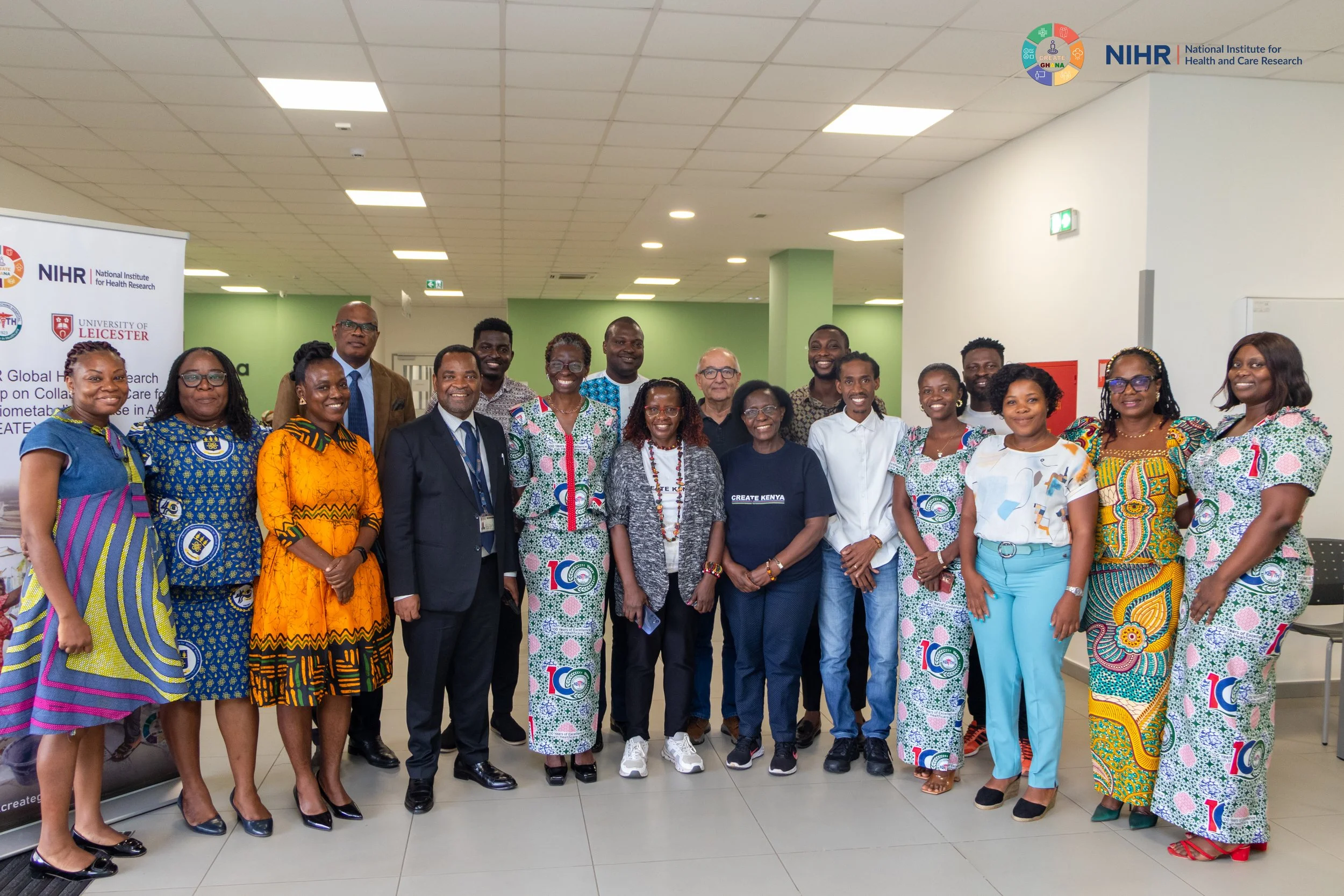
The leaders of the NIHR ARC East Midlands demonstrated how UK researchers are working nationally and globally to tackle major health challenges and improve outcomes in the UK and internationally when they took centre stage in Ghana in April, leading a high-level, international dissemination event for the CREATE programme.
A Leicester doctor whose “constant curiosity” propelled her rise to be among the world’s leading type 2 diabetes and obesity experts has been named a Dame in The King’s Birthday Honours List.
A global study investigating the safety and effectiveness of a new tablet form of weight loss medication has found it resulted in meaningful weight loss.
A trio of pioneering review papers published in The Lancet that offer fresh perspectives on cardiometabolic multiple long-term conditions (MLTCs or multimorbidity) has been unveiled on the international stage.
A Leicester dietitian and researcher has helped shape the latest edition of one of the UK’s leading dietetics textbooks, published during the British Dietetic Association’s Dietitians Week celebrations.
Hypometrics is an open‑source R package developed to support the integrated analysis of continuous glucose monitoring data, wearable‑derived activity and sleep metrics, and smartphone‑based hypoglycaemia reporting within a single analytical framework.
We are delighted to shine our spotlight on Dr Michelle Hadjiconstantinou, a Behavioural Scientist and the Lead Chartered Psychologist here at the Leicester Diabetes Centre.
The National Institute for Health and Care Excellence (NICE) has recommended that a weekly injection of semaglutide is given to more than a million people to help prevent heart attacks and strokes. This latest recommendation is underpinned by several years of research supported by the NIHR.
Diabetes can affect many parts of the body, including the eyes. Over time, high blood glucose levels can damage the small blood vessels in the retina, leading to conditions such as diabetic retinopathy.
Experts from the Leicester Diabetes Centre (LDC) will attend this year’s Diabetes UK Professional Conference (DUKPC 2026), taking place from 22–24 April at the Exhibition Centre Liverpool.
The Leicester Diabetes Centre is delighted to announce that Professor Kamlesh Khunti has been awarded the GG2 Outstanding Achievement in Medicine Award at the GG2 Leadership and Diversity Awards 2026.
A trial is underway to restore the warning signs of low blood glucose in people with type 1 diabetes who can no longer perceive when their blood sugars dip dangerously low.
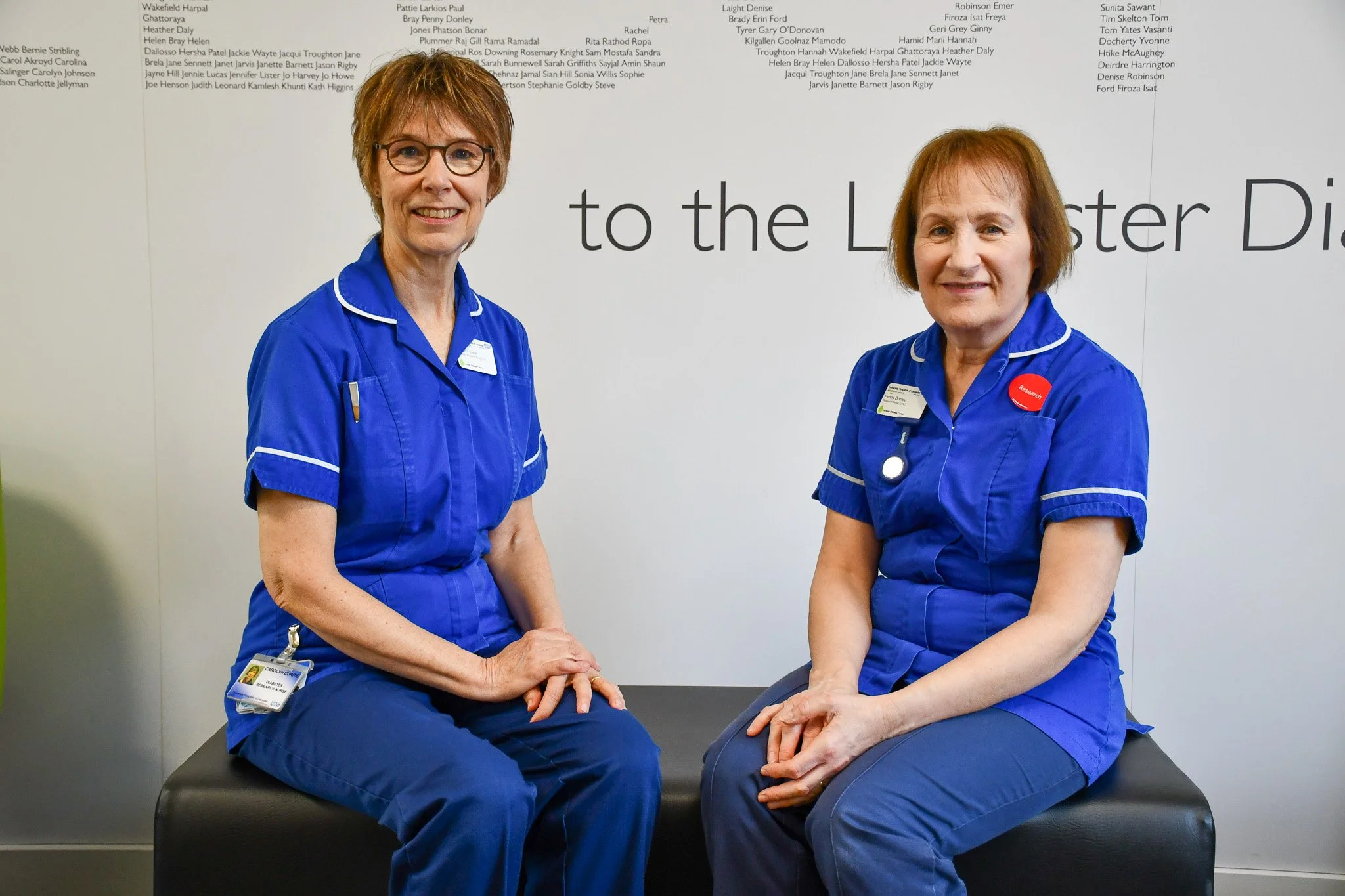
After an extraordinary 80 years of combined NHS service across both research and patient care roles, we prepare to say farewell to two cherished members of our team, Carolyn Currie and Penny Donley, who will be retiring at the end of March 2026.
A group of global experts in type 2 diabetes have come together to deliver an up to date overview of the health condition that affects millions of people around the world in the journal, Nature Reviews Disease Primer in March 2026.
An overview of a major research initiative led by academics from the University of Leicester, in collaboration with researchers in Ghana, to improve diabetes and cardiovascular care in sub-Saharan Africa will be shared at a dissemination event next month.
Del Bains aged 57 from Leicester was finding it harder and harder to manage his type 2 diabetes, until a conversation led him to the COMBINE study at the Leicester Diabetes Centre.
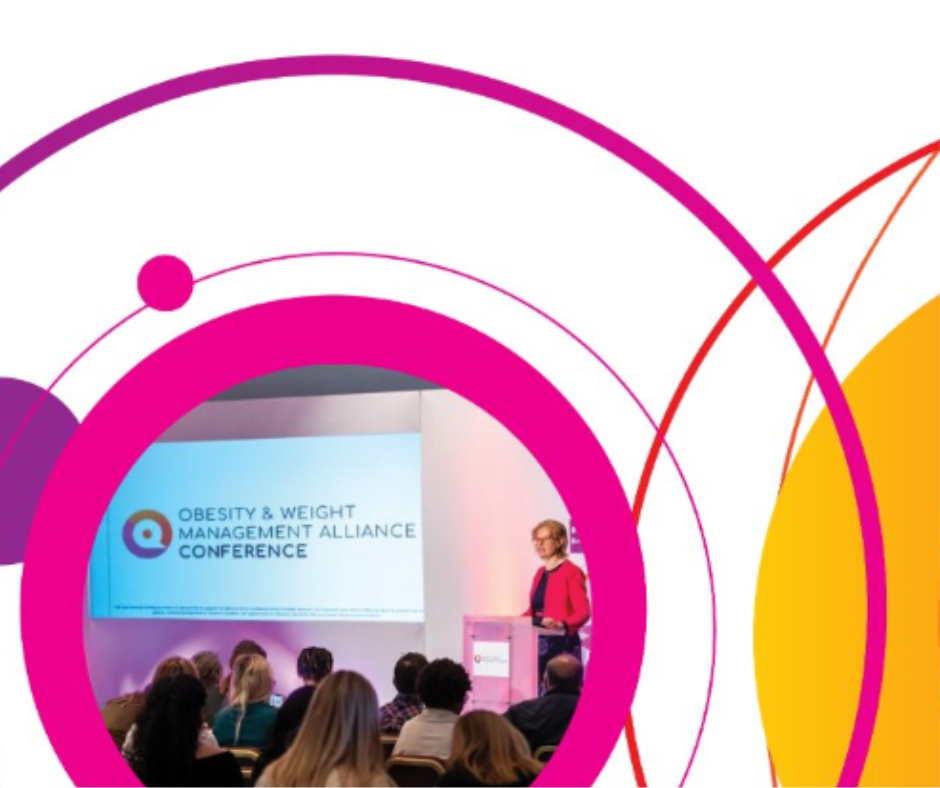
The upcoming 2026 Obesity & Weight Management Alliance UK conference series will bring together leading clinicians, researchers and policymakers to explore innovative, evidence‑based approaches to tackling obesity.
January 2026 marked a major milestone for the DESMOND (Diabetes Education and Self‑Management for Ongoing and Newly Diagnosed) Programme with the launch of Version 7 of its nationally recognised type 2 diabetes curriculum.
Diabetes distress is the emotional burden, frustration, and burnout stemming from the relentless, 24/7, self-management demands of living with diabetes.
The Leicester Diabetes Centre (LDC), home to internationally recognised leaders in diabetes research, education and innovation, has played a key role in developing a new European Association for the Study of Diabetes (EASD) e‑learning module showcasing the UK’s approach to structured education for people living with type 2 diabetes.
In this episode, we’re joined once again by Finley Turner, Senior Specialist Research Dietitian at the Leicester Diabetes Centre. This time, we’re diving into the practical realities of eating well on a budget.
A study by Leicester experts in diabetes has confirmed that hybrid closed-loop systems outperform sensor-augmented pumps in type 1 diabetes management.
A new study sheds light on how stigma shapes the everyday experiences of young adults living with early-onset type 2 diabetes, and why it matters for care, communication and outcomes.
On Wednesday 14 January 2026, Leicester Diabetes Centre (LDC) hosted an EOT2D Symposium, bringing together national leaders and 65 healthcare professionals from across the UK to share evidence, best practice and forward-thinking solutions.
In our latest episode, we talk with Fin Turner, Senior Specialist Research Dietitian at the Leicester Diabetes Centre, about the fascinating topic of emotional eating, the tendency to eat in response to feelings such as sadness, stress, anxiety, or boredom rather than physical hunger.